


Municipal indoor pools in New England face year-round operational pressure with minimal shutdown windows for maintenance. Community centers, recreation departments, and school district pools operate on packed schedules serving learn-to-swim programs, competitive teams, public lap swimming, and therapeutic programs. Renovation projects must be planned meticulously to minimize the number of days the facility is unavailable to the public, while still delivering the quality of work that justifies the community’s investment.
We plan municipal indoor renovations with this operational reality at the center of every decision. Material selection prioritizes fast-curing formulations where appropriate. Project phasing is designed to take advantage of spring school breaks, summer facility transitions, or winter low-usage periods. We coordinate directly with recreation department staff and, when appropriate, with town engineers and facility managers to ensure the project meets all local and state requirements. ADA compliance is reviewed at every indoor public pool project—see the ADA pool accessibility guidelines for current requirements.

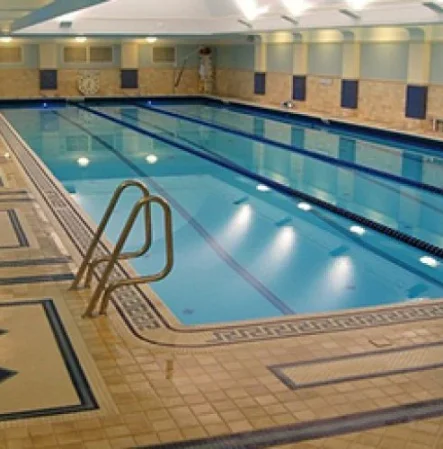
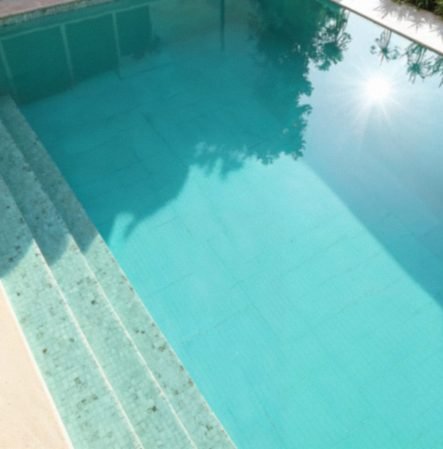
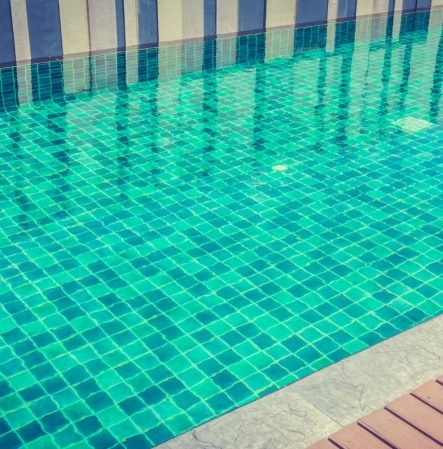
Municipal pool renovation budgets are public money, which means procurement processes, documentation, and accountability standards are higher than in private projects. We’re experienced working within public bidding environments and understand what municipal procurement officers and facilities directors need from contractors: detailed written scopes, clear unit pricing, verifiable insurance and licensing, and the capacity to meet project timelines that can’t slip without real community impact.
We serve municipalities across Massachusetts, New Hampshire, Connecticut, Rhode Island, Maine, and Vermont. Our work on public facilities is held to the same quality standard as our private projects—the same licensed crews, the same materials, the same written warranties. We also offer our school pool renovation services for educational institutions with independently managed aquatic facilities.
scopes and unit pricing for public procurement
insurance, and bonding documentation available
compliance where applicable
on all materials and workmanship

Signs that a municipal indoor pool facility needs renovation attention:
rough or eroded plaster creating skin and health concerns for public swimmers
outdated pool lifts, inaccessible entries, or inadequate deck surfaces
missing or cracked tiles creating maintenance and safety issues
slippery or crumbling deck poses public safety liability
surface conditions affecting water quality or safety
multiple repairs needed that exceed cost of renovation

At Affordable Pools, we offer a variety of high-quality finishes to match your style and budget:
Ensuring the pool meets all local and state health codes.
Using commercial-grade materials for constant use.
Installing non-slip markings and depth indicators.
Efficient scheduling to minimize community downtime.
Our municipal indoor pool renovation process is thorough, documented, and built around public accountability:
detailed condition report for procurement documentation
phased timeline coordinated with recreation department operations
evaluate all current compliance gaps; specify upgrades
interior resurfacing, tile, coping, and deck as scoped
in-progress and final documentation for facility records
water chemistry startup; final inspection with facility staff
Contact Affordable Pools to discuss your municipal indoor pool renovation project. We serve all six New England states and are familiar with local procurement requirements across our service territory. Reach our team here.
Now Booking Spring & Summer Pool Repairs Limited Openings Available Through April – Call Today!
With over two decades of hands-on experience serving homeowners and businesses across New England, Affordable Pools has built a reputation for quality craftsmanship, honest pricing, and results that last through harsh northeastern winters. Our crews are factory-trained, fully licensed, and carry comprehensive insurance—so you’re protected at every stage of your project.
We handle everything in-house: no subcontractors, no surprises. From your first free estimate through final inspection, our team communicates clearly and finishes on schedule. See our work in the project gallery or contact us today for a no-obligation quote on your municipal indoor pool renovation project.
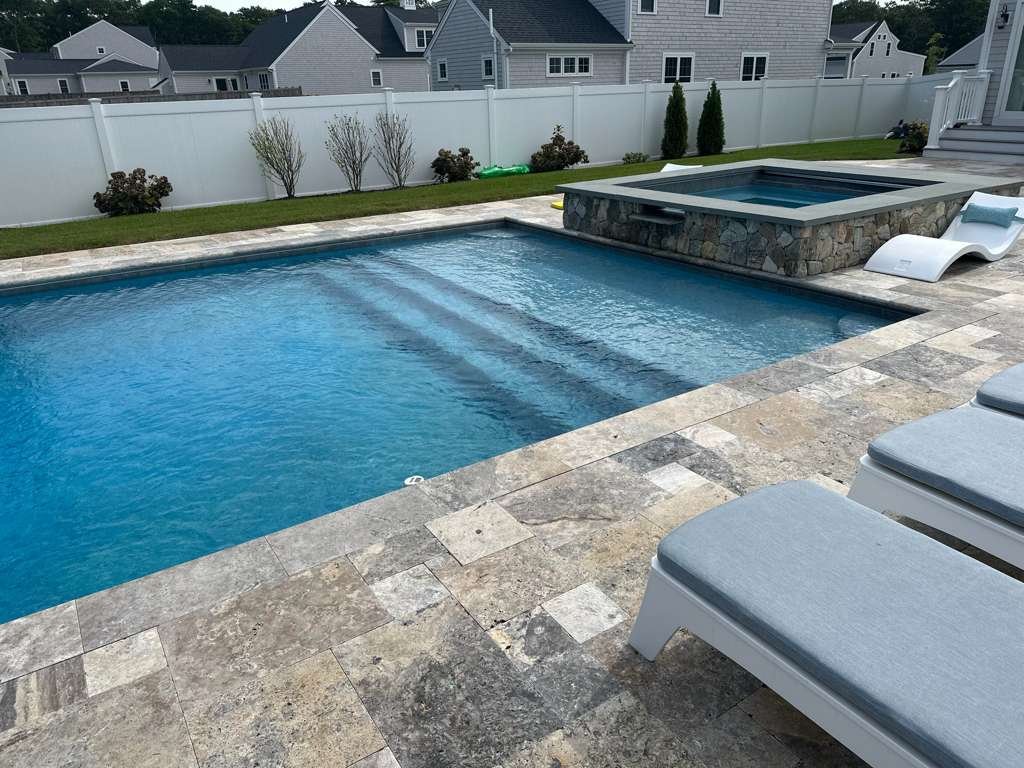
of pool renovation expertise across New England
fully compliant with state regulations
our own trained crews on every job
common in the Northeast
with written estimates before any work begins
on every project
Yes — we regularly participate in public bidding processes for municipal pool renovation projects across New England. We provide detailed written scopes, unit pricing, and all required licensing, insurance, and bonding documentation. Our team is familiar with public procurement requirements in Massachusetts, New Hampshire, Connecticut, Rhode Island, Maine, and Vermont.
We use fast-curing material formulations where appropriate, schedule intensive work phases during school breaks and holiday periods when public usage is lowest, and develop detailed project timelines in advance so recreation departments can plan around the closure. In some multi-pool facilities, we can phase work to keep portions of the facility operational. We discuss all scheduling options during the estimate phase.
Yes. ADA compliance is reviewed at every municipal pool renovation project. We install pool lifts, accessible water entry steps, compliant handrails, and appropriate deck surfaces per current ADA Standards for Accessible Design. We’re familiar with the specific requirements that govern public pool facilities and can incorporate compliance upgrades as part of a broader renovation or as a standalone project.
We provide written warranties covering both materials and workmanship on all municipal renovation projects. Warranty terms are specified in the project contract and vary based on materials used and scope of work. We also provide complete post-project documentation—including material data sheets, application records, and startup chemistry logs—for the facility’s maintenance records.