


Pool restoration differs from standard renovation in its emphasis on structural assessment and repair before surface work begins. In a renovation, the pool shell is assumed to be sound and work focuses on renewing the surface finishes. In a restoration, the shell condition itself is in question: cracks may have widened and penetrated the full shell thickness; plaster may have delaminated over large areas; plumbing may have failed freeze-thaw damage. Our restoration process begins with a comprehensive structural assessment to understand the full extent of the damage before any scope or pricing is established.
New England pool restoration cases often involve pools that were inadequately winterized, pools that were purchased as foreclosure or estate properties with unknown maintenance histories, or pools where a single dramatic event (ground movement, freeze damage, flooding) caused widespread structural damage. Whatever the cause, our assessment will tell you honestly what the pool needs and what it will cost to restore it to safe, attractive, fully functional condition. See our top signs your pool needs resurfacing for guidance on evaluating pool condition.

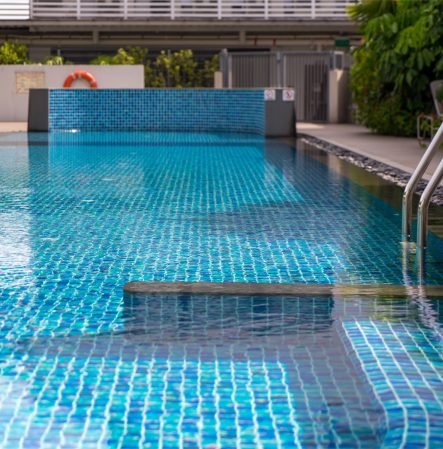
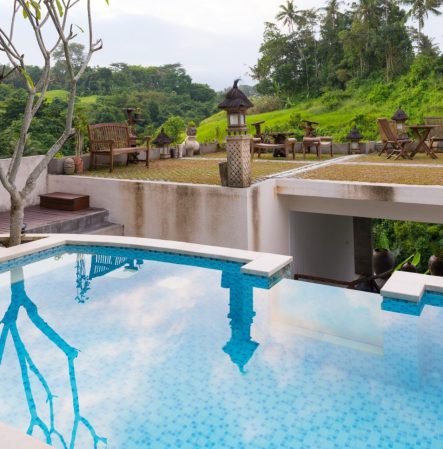
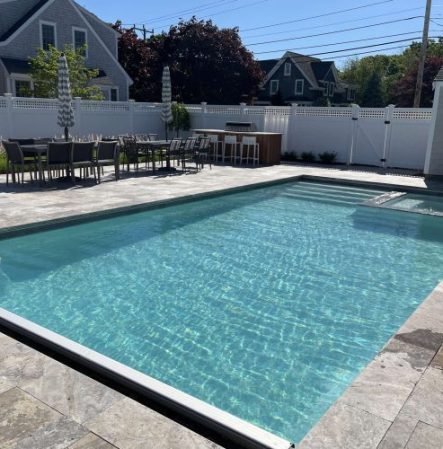
Pool restoration in New England is particularly common following harsh winters that expose inadequate winterization. A pool that’s not properly closed — one that wasn’t drained of plumbing, where freeze plugs weren’t set, or where ice formed directly against plaster rather than on a properly winterized surface — can develop significant freeze damage in a single winter season. We’ve restored pools throughout New England where a single bad winter turned a manageable renovation need into an urgent restoration project. The good news: even significantly damaged gunite pools are restorable in most cases.
We serve pool owners with restoration needs across Massachusetts, New Hampshire, Connecticut, Rhode Island, Maine, and Vermont. For pools where the primary need is surface restoration rather than structural repair, see our pool surface restoration service. Contact us to schedule a restoration assessment.
restoration expertise across New England
damaged gunite pools are typically restorable
guidance provided after every restoration
restoration available for less severe damage

Signs a pool needs professional restoration (beyond typical renovation):
plaster has separated from the shell across large areas
cracks that run across significant portions of the shell
measurable water loss indicating plumbing or shell failure
cracks that follow a pattern consistent with soil settlement or heave
pool has been unmaintained for years; multiple systems in failure
improper winterization has resulted in widespread surface and plumbing damage

Stripping away years of neglect to see the potential.
Checking all underground lines for leaks or blocks.
Giving the pool a fresh, clean, and durable skin.
Replacing the 'brain' of the pool to ensure it stays clear.
Our pool restoration process addresses the full damage scope:
comprehensive shell, plumbing, tile, and system evaluation
pressure testing to identify leaks and failures
complete drain; full surface and structural inspection
crack routing and injection; major crack excavation and repair as needed
failed lines repaired or replaced
damaged plaster removed; shell prepared for new finish
plaster, quartz, or pebble applied per specification
perimeter and deck work as needed
fill, chemistry balance, and system commissioning
Is your pool a restoration candidate? Contact Affordable Pools for a free restoration assessment. We serve all of New England and have the expertise to evaluate even the most challenging pool conditions honestly.
Now Booking Spring & Summer Pool Repairs Limited Openings Available Through April – Call Today!
With over two decades of hands-on experience serving homeowners and businesses across New England, Affordable Pools has built a reputation for quality craftsmanship, honest pricing, and results that last through harsh northeastern winters. Our crews are factory-trained, fully licensed, and carry comprehensive insurance—so you’re protected at every stage of your project.
We handle everything in-house: no subcontractors, no surprises. From your first free estimate through final inspection, our team communicates clearly and finishes on schedule. See our work in the project gallery or contact us today for a no-obligation quote on your pool restoration project.
of pool renovation expertise across New England
fully compliant with state regulations
our own trained crews on every job
common in the Northeast
with written estimates before any work begins
on every project
In most cases, yes — but it depends on the condition of the shell. Gunite and shotcrete pool shells are designed to last 50 years or more, and structural repair can address most types of cracking and damage. The cost of restoration must be weighed against the cost of demolition and new construction, which is typically 3–5 times the cost of restoration for a structurally sound pool. We’ll tell you honestly during the assessment whether the pool is a good restoration candidate or whether there are conditions that make demolition and rebuild more sensible.
Pool restoration typically takes longer than standard renovation because of the additional structural repair work involved. A standard renovation might take 10–14 days; a restoration with significant structural repair, plumbing work, and comprehensive surface work might take 3–5 weeks. The exact timeline depends on the extent of damage identified during the assessment. We provide a detailed timeline estimate once the full scope is established, and we update you throughout the project if scope changes are required based on conditions uncovered during work.
Yes — plumbing pressure testing is a standard part of our pool restoration assessment. We pressure test all return lines, suction lines, and drain lines to identify any that have failed or show signs of leakage. Failed lines are repaired or replaced as part of the restoration scope. Ignoring plumbing failures while restoring the surface is a common mistake that leads to premature surface damage from continuing water loss and chemical imbalance — we address it all as part of a comprehensive restoration.
The most common causes of structural pool cracks in New England are freeze damage from inadequate winterization, soil settlement or movement beneath the pool, and seismic or hydrostatic pressure. Freeze damage is by far the most prevalent cause in our region: water that infiltrates plaster cracks and then freezes expands and widens those cracks, and improperly winterized plumbing can crack when the water inside freezes. Soil settlement typically produces crack patterns that follow settlement lines. We identify and document crack causes during the restoration assessment to ensure the repair approach addresses the root cause, not just the visible symptom.